
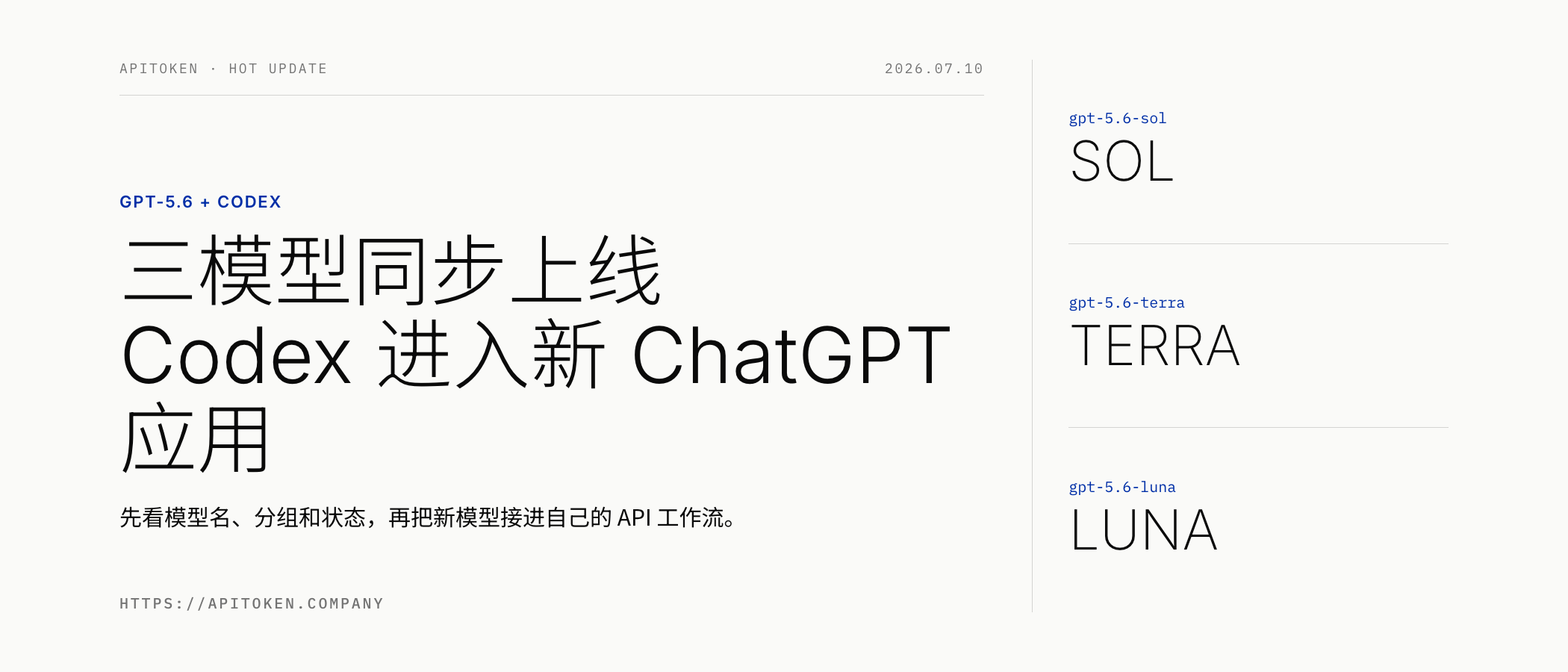
Verify the model entry before testing quality
Start by confirming the exact model identifiers currently shown in the model marketplace and the groups available to your key. A marketing label, client preset, and API model name are not always identical.
Model visibility is only the first gate. Confirm the endpoint type, account balance, and group permissions before running a real prompt.
Keep subscription and API workflows separate
A desktop application may combine chat, research, document, and coding surfaces, but API usage still has its own keys, permissions, billing, and logs. Teams should decide which tasks use a subscription and which tasks require a traceable API workflow.
Use independent keys for coding projects and automation. This makes it possible to revoke access, review usage, and prevent one experiment from affecting other work.
Compare model variants with one controlled task
Choose one small, realistic prompt and use it across the variants with a similar budget. Record time to first output, result quality, tool behavior, token usage, retries, and final charge.
When a request returns 401, 403, 429, or a model-unavailable error, check the key, group, model name, and channel status before retrying. Repeated uncontrolled attempts weaken the comparison and increase cost.
Turn a model launch into a reusable operating habit
Hot news can tell you what deserves attention. The marketplace, status page, and usage logs tell you whether the model is ready for your actual task today.
Preserve the prompt, configuration, measured result, and fallback model. That record remains useful after the launch cycle ends and helps the next model evaluation start with evidence rather than memory.